
The Community Interpreter® International (TCII) is the most widely-taught entry-level program in the world for medical and community interpreters. Most of our 500+ licensed trainers teach TCII, and about half of them teach its medical edition, The Medical Interpreter.
The Community Interpreter® International and The Medical Interpreter are taught primarily to spoken language interpreters but also to sign language interpreters.
Only Cross-Cultural Communications is authorized to provide live TCII trainings, TCII textbooks, and our self-paced training options, The Community Interpreter® Online (TCIO) and The Medical Interpreter Online (TMIO).

We offer two ways to complete The Community Interpreter® International training program. Both fulfill the 40-hour training requirement often needed to work as a professional interpreter or to pursue certification.
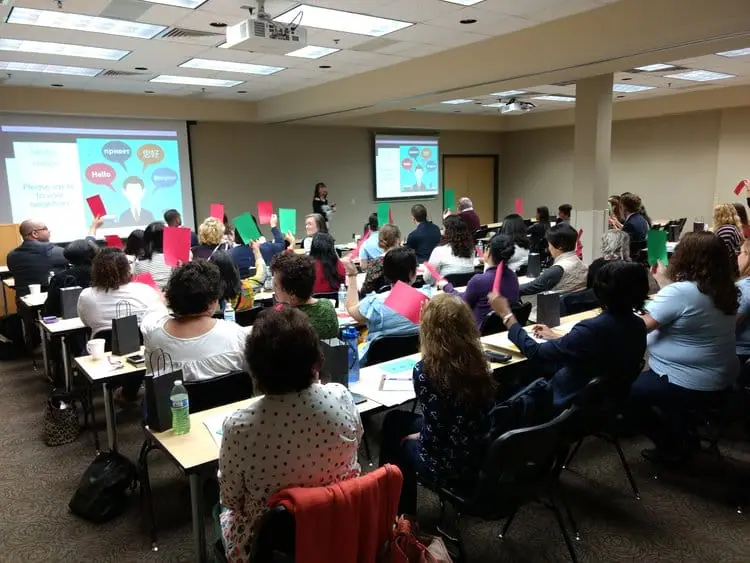
Join our expert-led live training sessions for an interactive learning experience. Live sessions are scheduled periodically — check our upcoming events to see when the next one is available. If no sessions are listed, subscribe to our newsletter to get notified of upcoming trainings.
Prefer a flexible option? TCIO is our self-paced version of The Community Interpreter® International. Designed for interpreters of all languages, this online program can be completed anywhere, at any time.
TCII is the only national training program in the U.S. for community interpreters and the leading program for medical interpreters. Highly interactive and skills-based, while incorporating the latest advances in the field, it is designed to be delivered as a 40- to 60-hour certificate program. It has also been adapted for longer programs by colleges and universities.
TCII can be given as a medical interpreting program or geared for educational, social services or general community interpreting, as needed. That flexibility is unique among foundation programs for community interpreters.
Developed by Cross-Cultural Communications (CCC), TCII has more than 500 licensed trainers in 44 U.S. states, Washington, DC, Guam and six other countries.
The Community Interpreter® International program was spearheaded by Marjory Bancroft, MA, the Founder of CCC. An immigrant to the U.S. who has lived in eight countries, Marjory is a respected author in the field, sits on international committees, and keynotes widely at industry conferences.


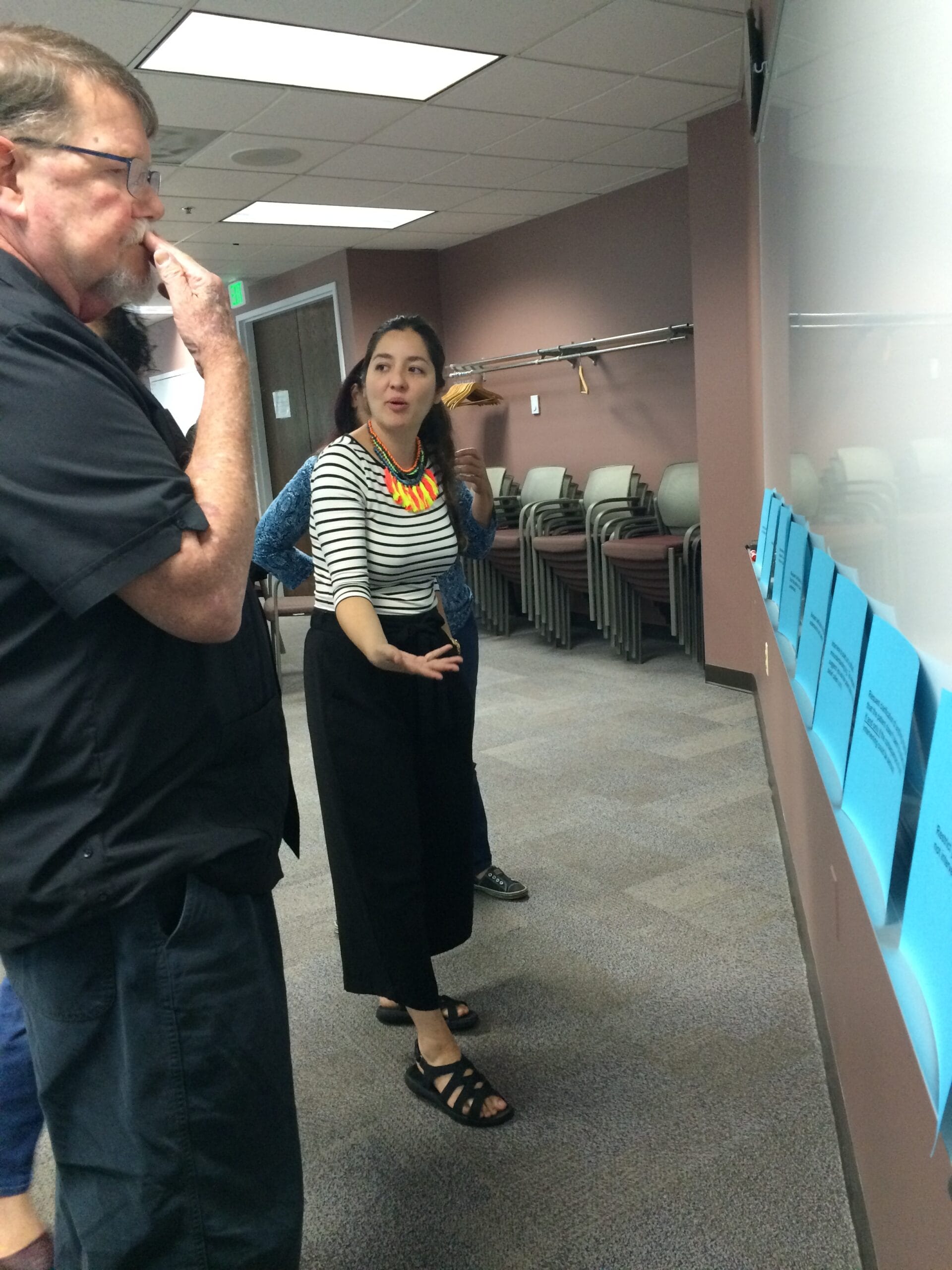


TCII promotes national ethics and standards of practice in the field and can prepare interpreters to take national medical interpreter certification. The course covers ethics and conduct, basic skills (from pre-session to post-session), positioning and terminology, modes of interpreting, steps for sight translation, strategies for intervention, cultural mediation, and other vital skills and topics.
In addition, this program provides an overview of the interpreting profession and discusses interpreter certification. Role plays, activities and group exercises provide hands-on experience for skills development. Video segments offer demonstrations, and a 453-page textbook (retail: $120) and a 229-page workbook (retail: $60) are included.
The program includes a 90-minute written assessment on the last day of training and offers three levels of certificates for successful candidates:


The Community Interpreter Textbook and its accompanying workbook support TCII, a 40-60 hour foundation program for medical, educational, and social service interpreters. (The Medical Interpreter textbook also has a companion handbook: Medical Terminology for Interpreters.)
TCII has been approved for continuing education units (CEUs) by the following organizations:
Community interpreting is a growing profession. It encompasses interpreting in health care, education and social services. In the past, family and friends used to interpret in these settings. Today, federal civil rights legislation, national interpreting ethics and standards, hospital accreditation agencies, and many state and municipal laws endorse or promote the use of qualified or certified interpreters. A qualified interpreter should, at a minimum, attend professional training and be tested for language proficiency. A certified interpreter would also need to pass a recognized government or professional certification test.
A 40-hour training course is considered by many the minimum threshold for community interpreting. The Community Interpreter® International meets this need.
Intersect is our weekly e-newsletter with breaking news on language, culture and interpreting. Join 20,000+ subscribers in over 100 countries!